
5 Things That Really Will Put a Serious Dent in Your Energy Bills
Gallmann Group May 1, 2019
Gallmann Group May 1, 2019
Your Mexican beach vacation was great, but, man, those margaritas sure can put on the pounds. It’s been two months, and you’re still carrying around an extra tenner — despite a new running routine and a lot of #&*&@$ kale. So why isn’t your weight dropping?
It’s like that with energy bills, too. Eighty-nine percent of us believe we’re doing the right things to lower energy costs, and almost half of us think our homes already are energy efficient. Yet, 59% of us say our bills are going up, not down, despite our efforts to economize.
Suzanne Shelton, CEO of the Shelton Group, a marketing agency that specializes in energy efficiency and that did this research, says we’re rationalizing: “I bought these [LEDs] so now I can leave the lights on and not pay more. I ate the salad, so I can have the chocolate cake.” Denial much?
Her research also shows consumers, on average, made fewer than three energy-efficient improvements in 2012 compared with almost five in 2010. It looks like we’re giving in to higher utility bills. But it doesn’t have to be that way.
You just need to know what improvements really will make the biggest difference to lower your bills. There are five, and the good news is that they’re really (seriously) cheap. You can go straight to them here, but there’s also another thing you can do that doesn’t cost a dime — and will drop your costs:
Think about it. Energy is the only product we buy on a daily basis without knowing how much it costs until a month later, says Cliff Majersik, executive director of the Institute for Market Transformation, a research and policy-making nonprofit focused on improving buildings’ energy efficiency.
With other services you get a choice of whether to buy based on price. With energy you don’t get that choice — unless you intentionally decide not to buy. You can take control by making yourself aware that you’re spending money on something you don’t needeach time you leave home with the AC on high, lights and ceiling fans on, and your computer wide awake.
That mindfulness is important because your relationship with energy is getting more intense. You (and practically every other person on the planet) are plugging in more and more. Used to be that heating and cooling were the biggest energy hogs, but now appliances, electronics, water heating, and lighting together have that dubious honor, according to Lawrence Berkeley National Labs, based on data from U.S. Energy Information Administration (EIA), the research arm of the Department of Energy (DOE).
"Energy is the only product we buy on a daily basis without knowing how much it costs until a month later."
— Cliff Majersik, executive director of the Institute for Market Transformation
Being mindful means it’s also time to banish four assumptions that are sabotaging your energy-efficiency efforts:
Unless you invest in some kind of renewable energy source like geothermal and solar, you won’t see that kind of savings. (Sorry.) Even if you do all the right things, the most you should expect is a 20% to 30% reduction annually, says Head, which is still significant over the long term.
What does 30% translate into? $618 in savings per year or $52 per month, based on the average household energy spend of $2,060 per year, according to Lawrence Berkeley and EIA.
There’s nothing wrong with investing in new windows. They feel sturdier; look pretty; can increase the value of your home; feel safer than old, crooked windows; and, yes, offer energy savings you can feel (no more draft).
But new windows are the wrong choice if your only reason for the project was reducing energy costs. You could replace double-pane windows with new efficient ones for about $9,000 to $12,000 and save $27 to $111 a year on your energy bill, according to EnergyStar. (The savings are higher if you replace single-pane windows.) Or you could spend around $1,000 for new insulation, caulking, and sealing, and save 11% on your energy bill, or $227.
Savings: Up to $227 a year — even more if you add or upgrade your insulation.
Savings: Up to $412 a year.
Savings: Up to $180 a year.
Savings: $75 a year or more by replacing your five most frequently used bulbs with Energy Star-rated models.
Savings: $12 to $30 a year for each 10-degree reduction in temp.
NOTE: Resist the urge to total these five numbers for annual savings. The estimated savings for each product or activity can’t be summed because of “interactive effects,” says DOE. If you first replace your central AC with a more efficient one, saving, say, 15% on energy consumption, and then seal ducts, you wouldn’t save as much total energy on duct sealing as you would have if you had first sealed them. There’s just less energy to save at that point.
Your utility may have funds available to help pay for energy improvement. Contact them directly, or visit DSIRE, a database of federal, state, local, and utility rebates searchable by state. Energy Star has a discount and rebate finder, too.
This article was originally posted here: HouseLogic

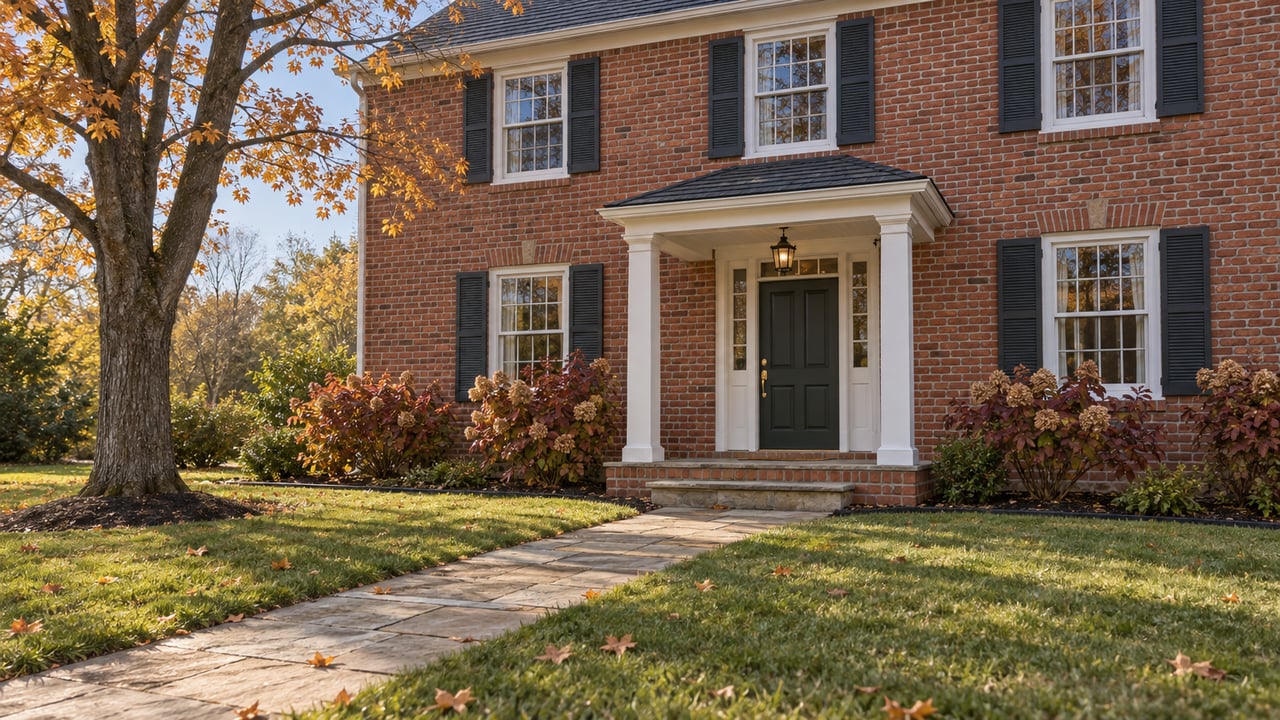

Millennials are a segment of the market you can’t afford to overlook — and they know what they want.
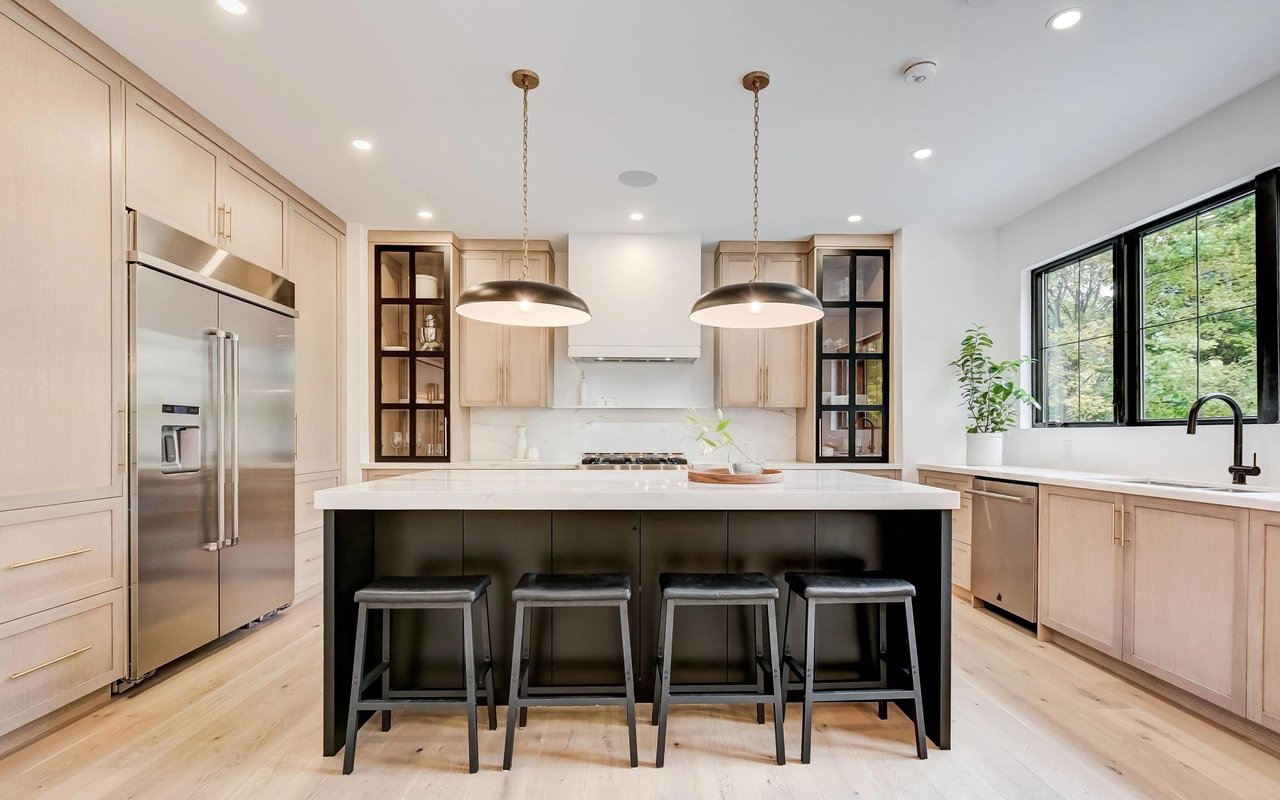
Here are a few improvements you can make that are sure to bring you a return on your investment.
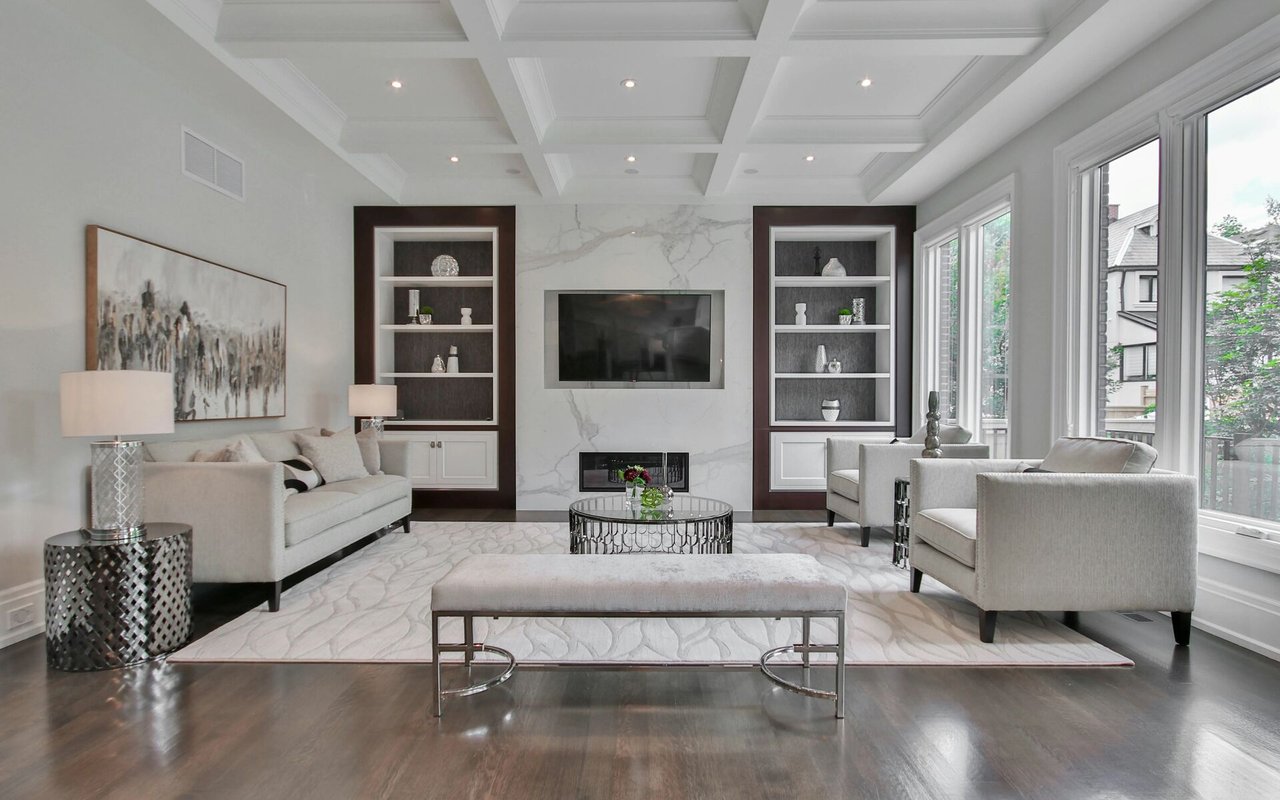
Ohio school Report Cards allow homebuyers to view the schools in the areas you are interested in living.

The cost of installation averages $675, depending on its sophistication and the size of your home.

Underwriting for a home loan takes a fine-toothed comb through every form, deposit, and credit report.
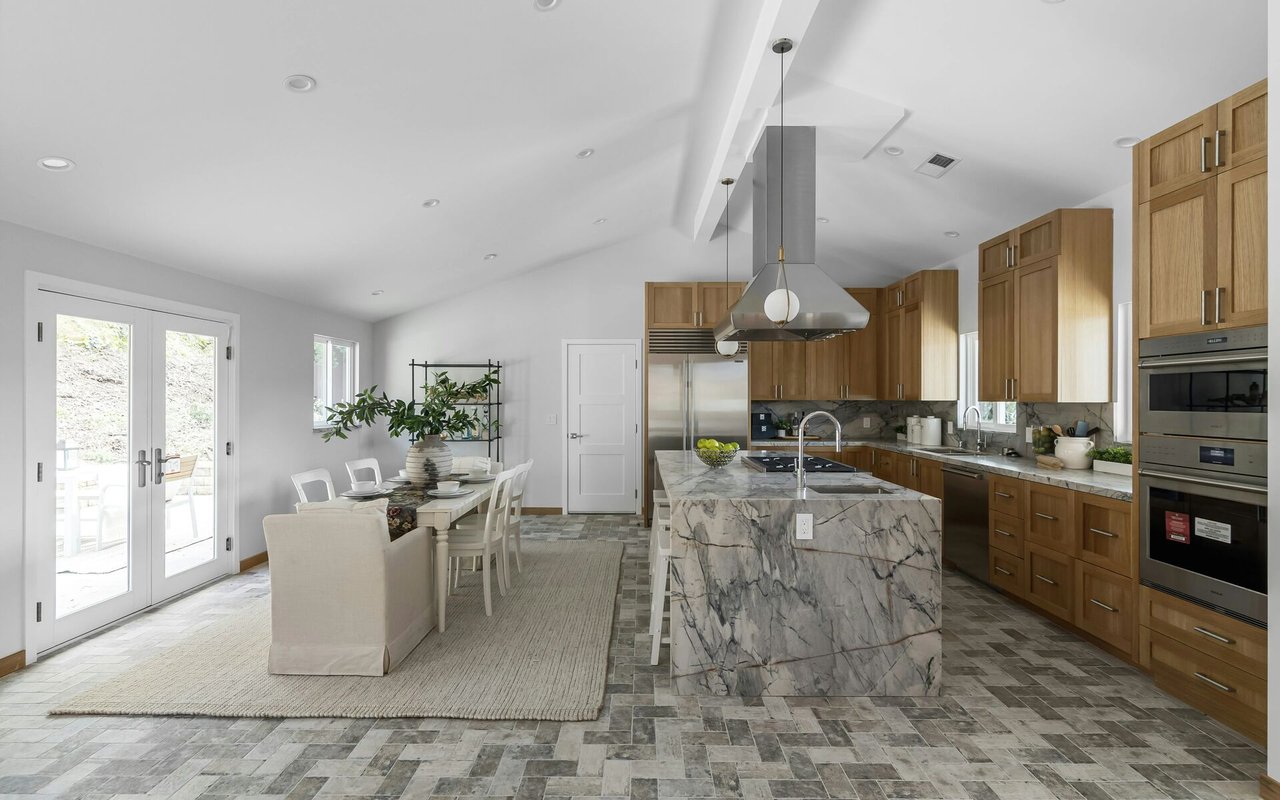
Owning a home comes with year-round responsibilities, but you don’t have to dread these tasks.
When you want to make your money work for you, investing in real estate is an obvious choice.
At The Gallmann Group, you’ll receive knowledgeable guidance, personalized service and a proactive approach backed by over 100 years of combined Cleveland-area experience. Our local expertise, proactive marketing and attention to detail help make every transaction smooth and well supported. Above all, we value the relationships we build and the trust our clients place in us.