No Yard? No Problem! 5 Ways to Grow a Gorgeous Garden in a Tiny Space
Gallmann Group October 9, 2019
Gallmann Group October 9, 2019
Photo by PEEK Architecture + Design Ltd
In a perfect world, you’d have a sprawling backyard with enough room to plant everything from tulips to turnips. But in reality? Many of us have a very small outdoor space.
And no, we’re not talking about your run-of-the-mill, quarter-acre yard. We mean a teeny, tiny slice of a communal garden or a microscopic fire escape or balcony. Something so small that you wouldn’t even think it’s possible to plant some leafy greens.
But just because your outdoor space is at a minimum doesn’t mean you have to kiss your dreams of a beautiful, bountiful garden goodbye. The good news is, there are ways to add some greens to your small space—it just requires some creativity. Here, our experts share their favorite ideas for creating a pint-sized garden.
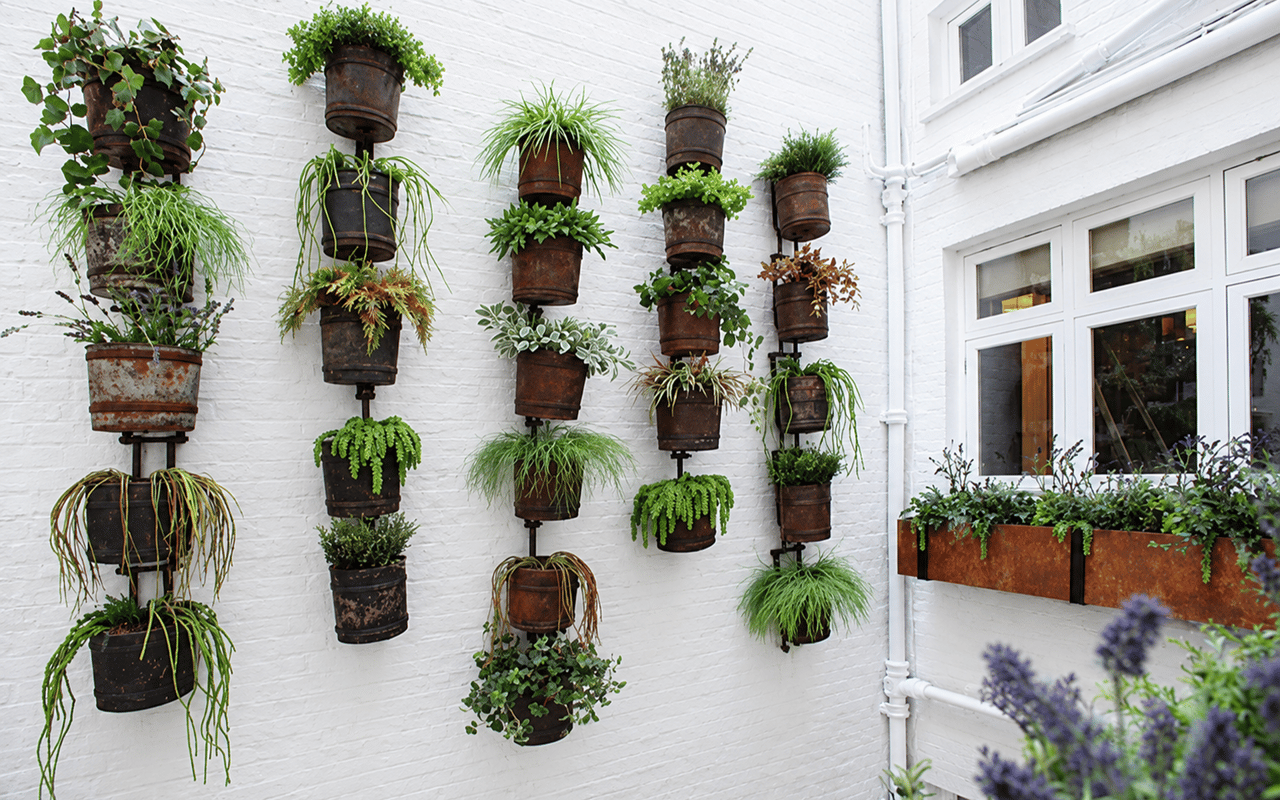
When your square footage is at a premium, the only way to go is up. To the rescue: the oh-so-trendy vertical garden.
They’re not just practical, they’re a designer’s secret weapon.
“Vertical gardens can also give a sense of height and depth to an otherwise small space,” says Joe Raboine, director of residential hardscapes with Belgard, a paving manufacturer.
Plus, not only does a vertical garden look nice, but it can also keep pests, such as slugs and snails, away better than traditional gardens, Raboine says.
Of course, there’s more that goes into creating a thriving vertical garden than piling a bunch of plants on top of each other. Check out our insider tips for nailing this horticultural hack.
A vertical garden isn’t your only option for going up—you can also make the most of your ceiling.
“Hanging plants are a great option for someone who is limited to a small balcony, because they save valuable floor space,” explains Chris Lambton, garden and yard care expert for Fiskars. “You can repurpose glass jars, aluminum cans, or ceramic pots for a cost-effective project, by drilling a few holes and stringing wire to hang them.”
This hack will give your space an ethereal aesthetic—and you can’t beat the price.
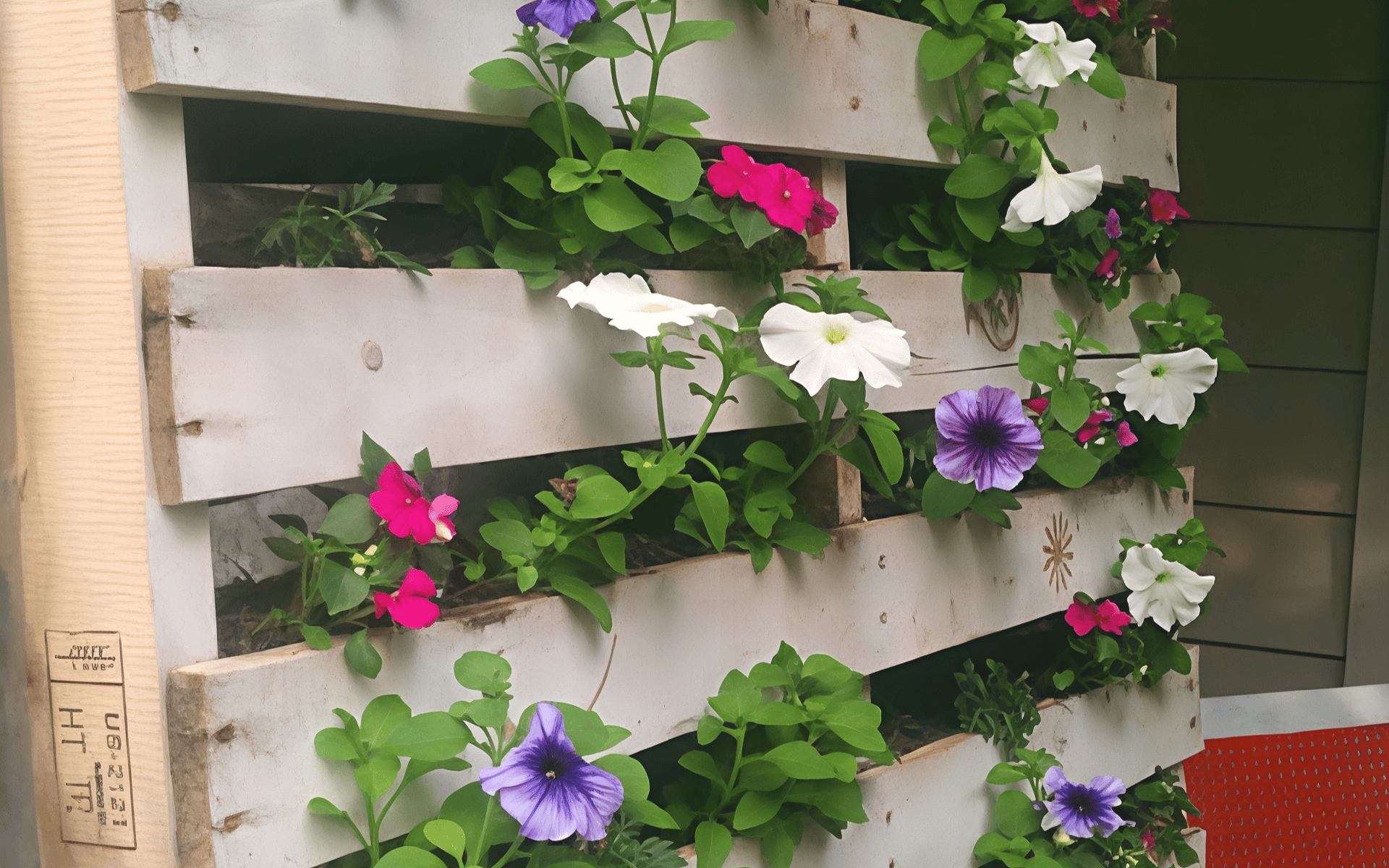
Photo by rumkihn.com
Depending on the size of your outdoor space, there’s a good chance you won’t have enough room for a large planter. Enter: micro-gardening, the practice of cultivating vegetables, herbs, roots, and tubers in small spaces. (You might have heard them described as “container gardens.”)
“These gardening spaces might be balconies, small yards, patios, or rooftops, which make use of containers,” Raboine explains. “Anything from plastic-lined wooden crates, old car tires, plastic buckets, trash cans, and wooden pallets.”
This practice is perfect for growing smaller plants such as baby spinach, chard, and lettuce.
New to micro-gardening? Not to worry, here are some tips that will help you reach pro status in no time.
You don’t have to restrict your gardens to your tiny balcony or square of backyard.
“Look at every small space with some sun as an opportunity to grow food,” Raboine recommends.
Think: You can grow grapes (or another climbing plant) around a mailbox post. You can add cheery window boxes to your home’s exterior, with anything from flowers to veggies. Or you could even line your walkway with delicious produce. Don’t be afraid to get a little creative with whereyou garden on your property.
Why should you have to live with fewer greens and flowers just because you have less square footage outside?
However, you should resist the urge to go overboard: When you’re working with a smaller-than-average space, a curator’s eye is key.
“When challenged with a small space, gardeners may try to cram in too many plants,” Raboine says. “Select a few statement plants or favorites, and build your garden around those, ensuring each has their own space and room to grow.”
Before you add yet another plant to your small garden, ask yourself if it’s really vital to the space. Chances are, your greenery may be good as is.
This article was originally posted here: How to Grow a Garden in a Small Space


Millennials are a segment of the market you can’t afford to overlook — and they know what they want.
Here are a few improvements you can make that are sure to bring you a return on your investment.

Ohio school Report Cards allow homebuyers to view the schools in the areas you are interested in living.

The cost of installation averages $675, depending on its sophistication and the size of your home.

Underwriting for a home loan takes a fine-toothed comb through every form, deposit, and credit report.
Owning a home comes with year-round responsibilities, but you don’t have to dread these tasks.
When you want to make your money work for you, investing in real estate is an obvious choice.
At The Gallmann Group, you’ll receive knowledgeable guidance, personalized service and a proactive approach backed by over 100 years of combined Cleveland-area experience. Our local expertise, proactive marketing and attention to detail help make every transaction smooth and well supported. Above all, we value the relationships we build and the trust our clients place in us.