Closing on a House Checklist: 6 Things Home Buyers Must Do Before They Move In
Gallmann Group November 4, 2019
Gallmann Group November 4, 2019
When you’re approaching the finish line in the journey to your new home, you want nothing to go wrong, right?
That’s why we’ve put together a home closing checklist, which outlines your action points in those few days leading up to settlement. Keep this closing process list handy to know you’ve done what you need to in order to close the deal.
Most purchase agreements have contingencies—things that buyers must do before the real estate transaction is official, explains Jimmy Branham, a Coral Springs, FL, real estate agent at the Keyes Company. These are the most common contingencies that are part of your new home closing process:
When you buy a home, you “take title” to the property and establish legal ownership—a process that’s confirmed by local public land records. As part of the closing process, your mortgage lender will require a title search, and you’ll need to purchase title insurance to protect you from legal claims to the house.
Sometimes distant relatives—or an ex-spouse—may surface with a claim that they actually own the home, and that the seller had no right to sell it to you in the first place. But clearing title will ensure this doesn’t happen, says Marc Israel, president and chief counsel of MiT National Land Services, a title company in New York City.
As the home buyer of this piece of real estate, you’re entitled to choose the title company. You can get recommendations from your real estate agent, mortgage lender, and friends—just be sure to check out the license and reputation of each company online.
You’ve made that down payment, but before you can go to the closing table, your home loan must go through the underwriting process. Underwriters are like real estate detectives—it’s their job to make sure you’ve represented yourself and your finances truthfully, and that you haven’t made any false or misleading claims on your loan application.
The underwriter—employed by your mortgage company—will check your credit score, review your home appraisal, and ensure that your financial portfolio has remained the same since you were pre-approved for the loan.
Since underwriting typically happens shortly before closing, you don’t want to do anything while you’re in contract that’s going to hurt your credit score. That includes making a down payment on a car, boat, or similar large purchase that has to be financed.
If you’re getting a loan, one of the best ways to prepare is to thoroughly review your closing disclosure, also known as a HUD-1 settlement statement.
This official document outlines your exact mortgage payments, the loan’s terms (e.g., the interest rate and duration), and additional fees you’ll pay, called closing costs (which account for anywhere from 2% to 7% of your home’s price).
You’ll want to compare your closing disclosure to the loan estimate your lender gave you at the outset. If you spot any discrepancies, ask your lender to explain them.
Most sales contracts allow buyers to do a walk-through of the home within 24 hours before closing. During this stage, you’re making sure the previous owner has vacated (unless you’ve allowed a rent-back arrangement in which they can stick around for a period of time before moving).
You’re also double-checking that the home is in the condition agreed upon in the contract. If your home inspection revealed problems that the sellers had agreed to fix, you’ll want to make sure those repairs were made.
Make sure you have the following items when you head to the closing table:
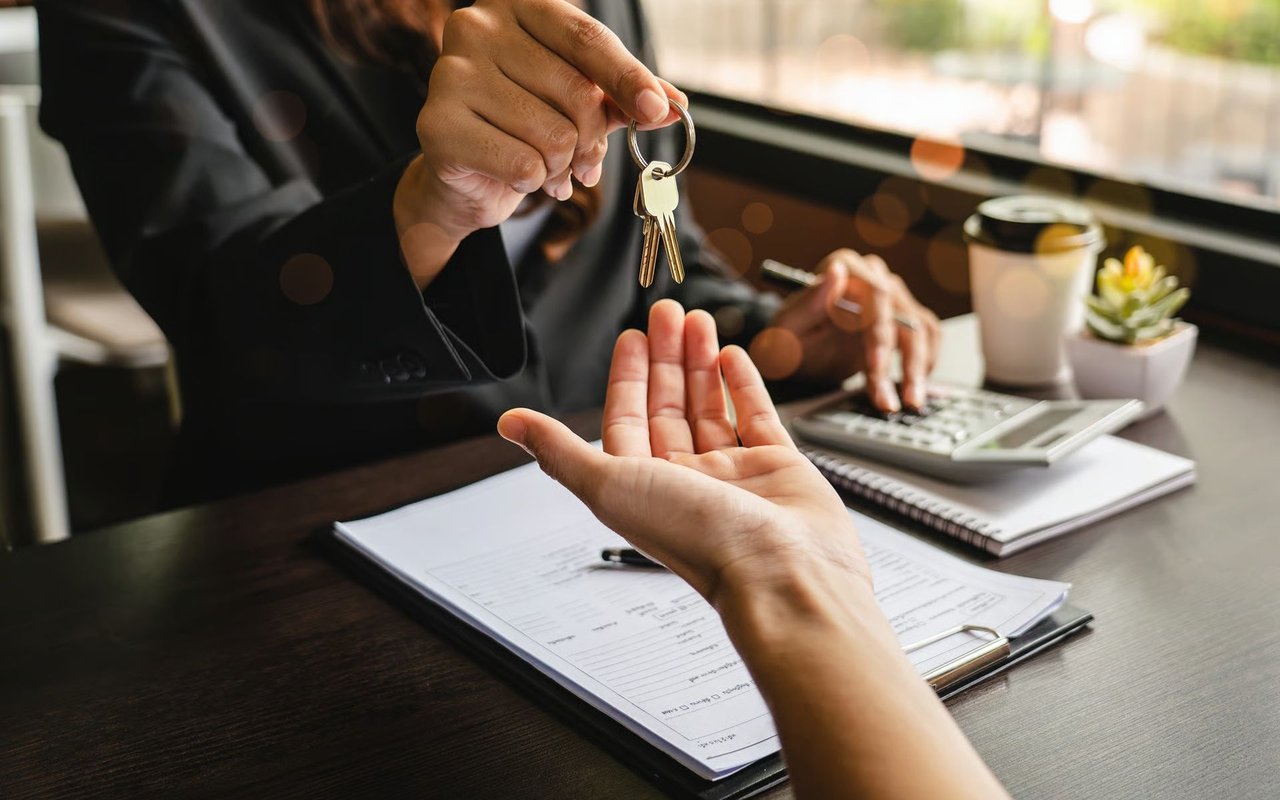
Plan to sign a ton of paperwork. An attorney or settlement agent will guide you through the process. When you’re done, you’ll collect the keys, and you’re finally home free!
This article was originally posted here: Closing on a House Checklist


Millennials are a segment of the market you can’t afford to overlook — and they know what they want.

Here are a few improvements you can make that are sure to bring you a return on your investment.

Ohio school Report Cards allow homebuyers to view the schools in the areas you are interested in living.
The cost of installation averages $675, depending on its sophistication and the size of your home.

Underwriting for a home loan takes a fine-toothed comb through every form, deposit, and credit report.

Owning a home comes with year-round responsibilities, but you don’t have to dread these tasks.

When you want to make your money work for you, investing in real estate is an obvious choice.
At The Gallmann Group, you’ll receive knowledgeable guidance, personalized service and a proactive approach backed by over 100 years of combined Cleveland-area experience. Our local expertise, proactive marketing and attention to detail help make every transaction smooth and well supported. Above all, we value the relationships we build and the trust our clients place in us.