What You're Buying in a Mid-Century Pepper Pike House
November 26, 2026
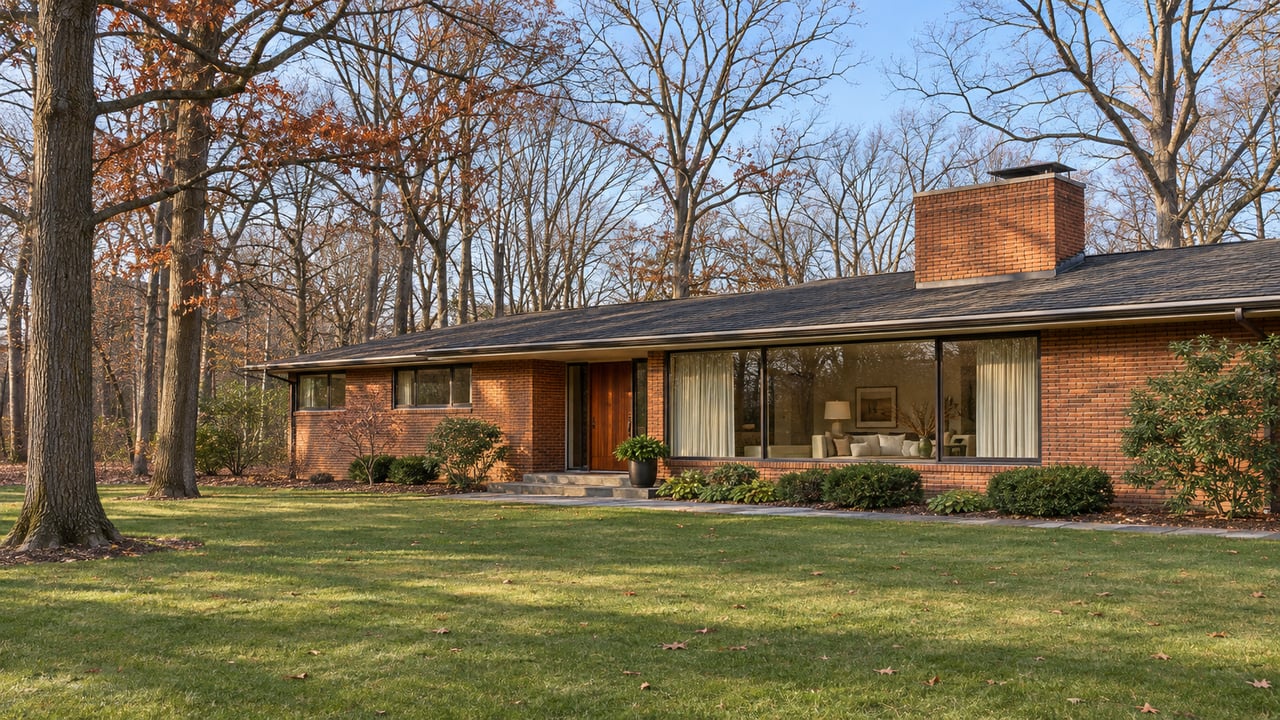
In 1950, Cleveland architect Robert A. Little and his wife joined several other couples to buy an old 65-acre farm in Pepper Pike. They chose that land because it carried no deed restrictions, so they could build contemporary homes, and they paid for their own road. The development became Pepper Ridge. It has about a dozen Modernist houses set at different angles and setbacks to catch the views and the sun, and many of them can't be seen from the road. Little's sketches for the plan, along with his own flat-roofed, three-level house on four acres with a pond, ran in the June 15, 1953, issue of Life magazine.
Pepper Ridge is small, but it shows how much of Pepper Pike came to be. The land and the way houses sit on it were decided early. The houses came later, and owners have been changing them ever since. If you're comparing Pepper Pike with other east-side suburbs, this is the most useful idea to bring to a showing. In the older parts of the city, the lot and the setting are mostly fixed. What you're really comparing from one listing to the next is the condition of the house and what each owner chose to keep, restore or replace.
The street pattern of Pepper Pike's largest mid-century subdivision goes back to a plan from the 1920s. In December 1926, the Van Sweringen Company announced a "country estates development" of 4,000 acres. It began at Green Road and ran east through Beachwood, Pepper Pike, Hunting Valley and Gates Mills. The plats followed the rolling ground, every lot had at least 100 feet of frontage, and residential streets wound the way they do in Shaker Heights.
None of it was built before the Depression. In 1951 a new ownership group bought the land and offered custom homes designed in the $35,000 to $60,000 range. Building started in 1953. Half the homes went up between 1954 and 1957, and construction continued through the 1960s and into the 1970s.
That subdivision is Bolingbrook Acres. In its 2016 survey of mid-century neighborhoods, the Cuyahoga County Planning Commission counted 273 single-family houses there. Lots average 1.25 acres and homes average a little over 3,100 square feet. About half are ranches, about 40% have a Colonial influence and about 10% are split-levels. Most have a basement, three or four bedrooms and a two-car attached garage. Pepper Ridge lots average 2.18 acres, and its houses average about 3,780 square feet. Two-thirds of them are two-story, and a quarter have flat roofs.
These numbers tell you what you're working with. A lot of an acre or more, with frontage set in the 1920s and a house placed on it in the 1950s, isn't something a later owner can do much to change. The kitchen, the baths, the floor plan and the finishes are the parts that get changed.
These two subdivisions aren't unusual for Pepper Pike. Cuyahoga County Fiscal Office parcel data in the same county survey, drawn from January 2013 records, counted 1,244 Pepper Pike single-family parcels built between 1945 and 1969. Of those, 662 date from the 1950s and 536 from the 1960s. The survey lists Bolingbrook Acres and Pepper Ridge as potential historic districts. It describes Pepper Ridge as unique in the area for its Modernist architecture.
Little went on to win the Cleveland Arts Prize for Architecture in 1965, and the Cleveland Arts Prize identifies Pepper Ridge as his signature Pepper Pike development. For a buyer, the history matters in a practical way. A large share of Pepper Pike's houses date from the 1950s and 1960s. A house of that age has usually passed through several owners, and each one left a different record of what was kept and what was changed.
Recent cleveland.com House of the Week features show this clearly. Each one is a single listing captured at its own date, with asking prices rather than closed sales, but they show how wide the range of condition can be.
Renovated behind a modest front. In June 2025, cleveland.com featured 19 Brandywood Drive. It was built in 1966 and looks like a modest ranch from the street. A recent renovation had reconfigured the floor plan and added a first-floor primary suite with a private deck and an updated bath. The house has three bedrooms, two and a half baths and a finished walk-out basement, and it was new to the market at $1.08 million. That's a 1960s three-bedroom asking more than a million dollars. The price reflects the work done inside and the property around it, not the bedroom count.
Preserved on purpose. In March 2026, cleveland.com featured 3323 Bremerton Road, a 1971 midcentury modern with Frank Lloyd Wright influences set among trees along a private lake. The sunken great room had been updated with a wood ceiling and built-ins. The article also reported that many rooms, including the kitchen and bathrooms, had been kept in their original form. The house has six bedrooms, eight bathrooms with six full, a three-car garage and an in-ground pool, and it was listed at $1.825 million. At this house, the original kitchen and baths were presented as a selling point, not as work waiting to be done.
Restored and updated together. In May 2025, cleveland.com featured 2471 Snowberry Lane, a 1968 house on 1.36 acres listed at $2.15 million. It had a restored original staircase alongside updated interior finishes and extensive outdoor space around the pool.
A fourth approach is the full gut renovation. In April 2026, Cleveland Magazine described an interior gut renovation of a 1950s Pepper Pike colonial. The work opened up the foyer and stair area and doubled the size of the kitchen island.
Built within about five years of each other, these three listed houses asked anywhere from $1.08 million to $2.15 million. They differ in lot, layout and amenities, so this isn't a precise comparison. Still, the year built tells you very little about where a mid-century Pepper Pike house will be priced. The setting and the owner's choices about the house tell you much more.
Regional figures show how far Pepper Pike sits from the typical Northeast Ohio sale. The Akron Cleveland Association of REALTORS reports a year-to-date median sales price of $244,500 and an average of $298,837 across its three-county area through October 2026. Days on market averaged 38 for the same period. Ohio REALTORS reported a statewide median of $265,000 for October 2026, up 1.1% from a year earlier. Sales were down 7.8%, listings, counting both active and pending, were up 4.5% to 40,152, and there were 3.78 months of inventory.
Every Pepper Pike listing above asked several times those medians. Regional figures describe a different kind of house, so they can't tell you whether a particular Pepper Pike home is priced well. In a city where so many homes share a decade and a lot size, the more useful comparison is between houses of the same era. Look at how much has been renovated, what has been kept original, and what still needs a decision.
Carrying costs are part of that comparison too. The 3323 Bremerton Road listing showed annual property taxes of $22,506 at the time it was featured in March 2026. That figure belongs to one house at one point in time. We share it as general information, not tax or financial advice, and we'd encourage you to confirm the figures for any home you're considering with the appropriate professional.
Since the setting is largely fixed, put your questions toward the house. Ask when the kitchen and baths were last changed, and whether the owner kept them original deliberately or simply never updated them. A preserved 1971 kitchen and a 1971 kitchen nobody has touched can look alike in photos. They are very different starting points for a buyer.
The county survey also gives you a sense of what's typical. In Bolingbrook Acres, 81% of houses have a basement and 97% have an attached garage, mostly two-car. In Pepper Ridge, 42% of the houses were built without a basement and a quarter have no garage. The survey describes houses there placed on varied lots, setbacks and angles to suit the land, rather than built to one uniform design. Knowing what's normal for a subdivision tells you whether a missing feature is part of the original design or something a previous owner removed.
If the house you love needs work, estimate that cost before you make an offer. Our contractor and trades resource list is a good place to start pricing a kitchen, a bath or a floor-plan change. If you're also weighing a newer home, our new-construction guidance covers the other side of that decision. For more on the city, visit our Pepper Pike community page. If you're earlier in the process, our buyer resources walk through the steps from search to closing.
If you're looking at mid-century homes in Pepper Pike and want help sorting a well-preserved original from one that simply hasn't been touched, The Gallmann Group can help you compare properties, put you in touch with our contractor and trades resource list, and guide your offer from start to finish. Contact us when you're ready to start looking.

Millennials are a segment of the market you can’t afford to overlook — and they know what they want.
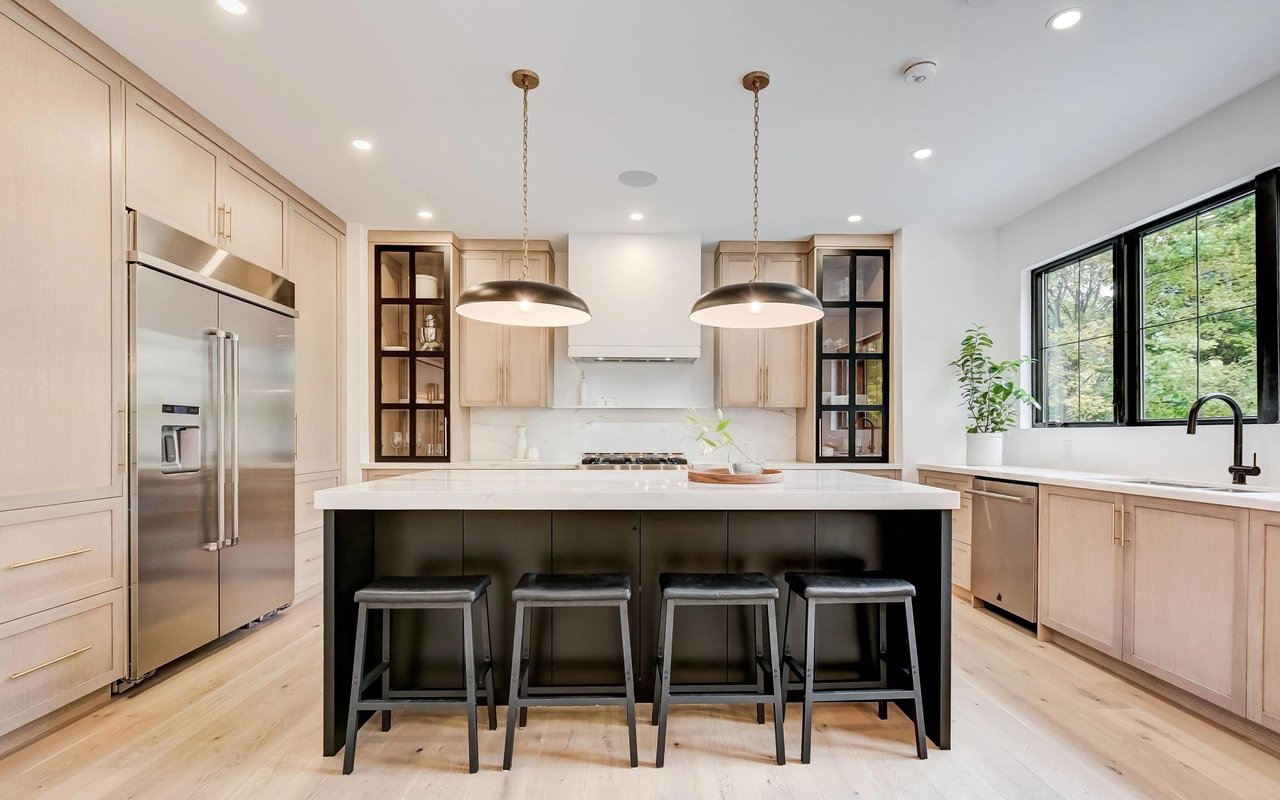
Here are a few improvements you can make that are sure to bring you a return on your investment.
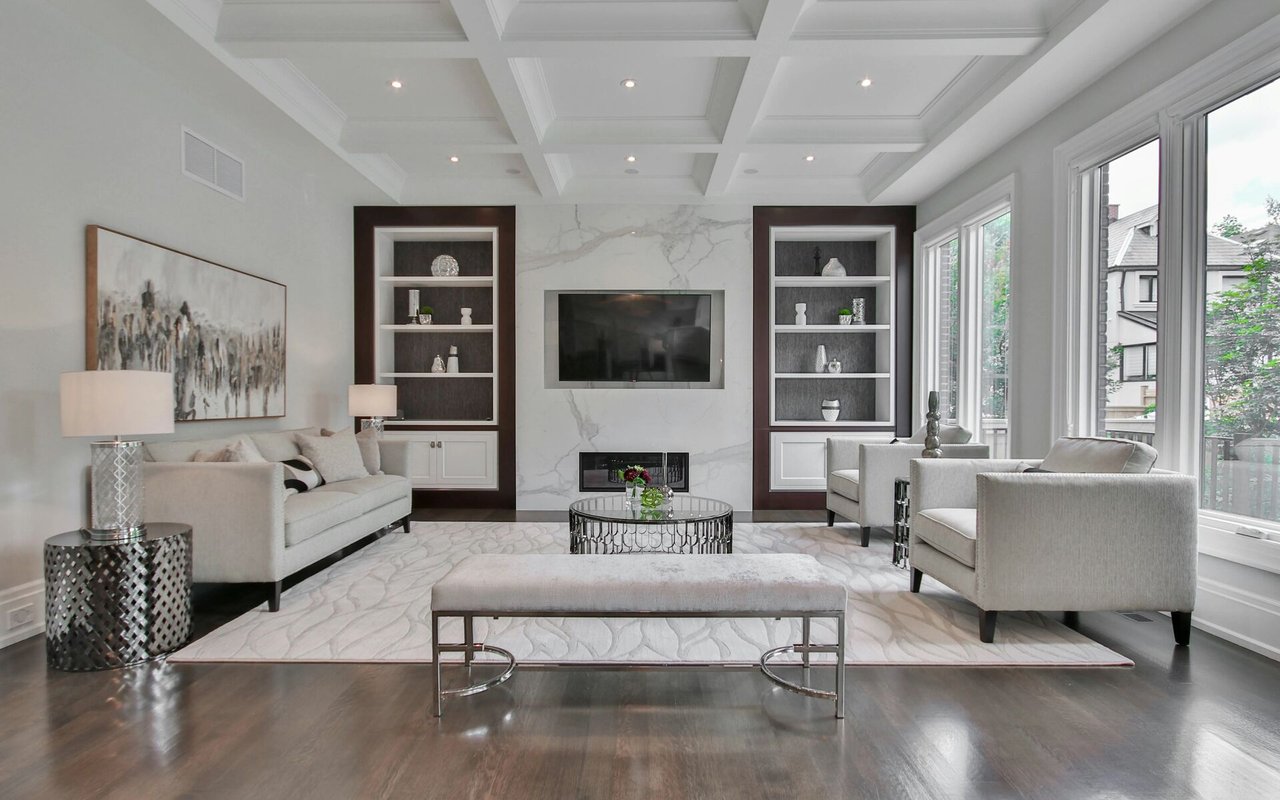
Ohio school Report Cards allow homebuyers to view the schools in the areas you are interested in living.

The cost of installation averages $675, depending on its sophistication and the size of your home.
Underwriting for a home loan takes a fine-toothed comb through every form, deposit, and credit report.
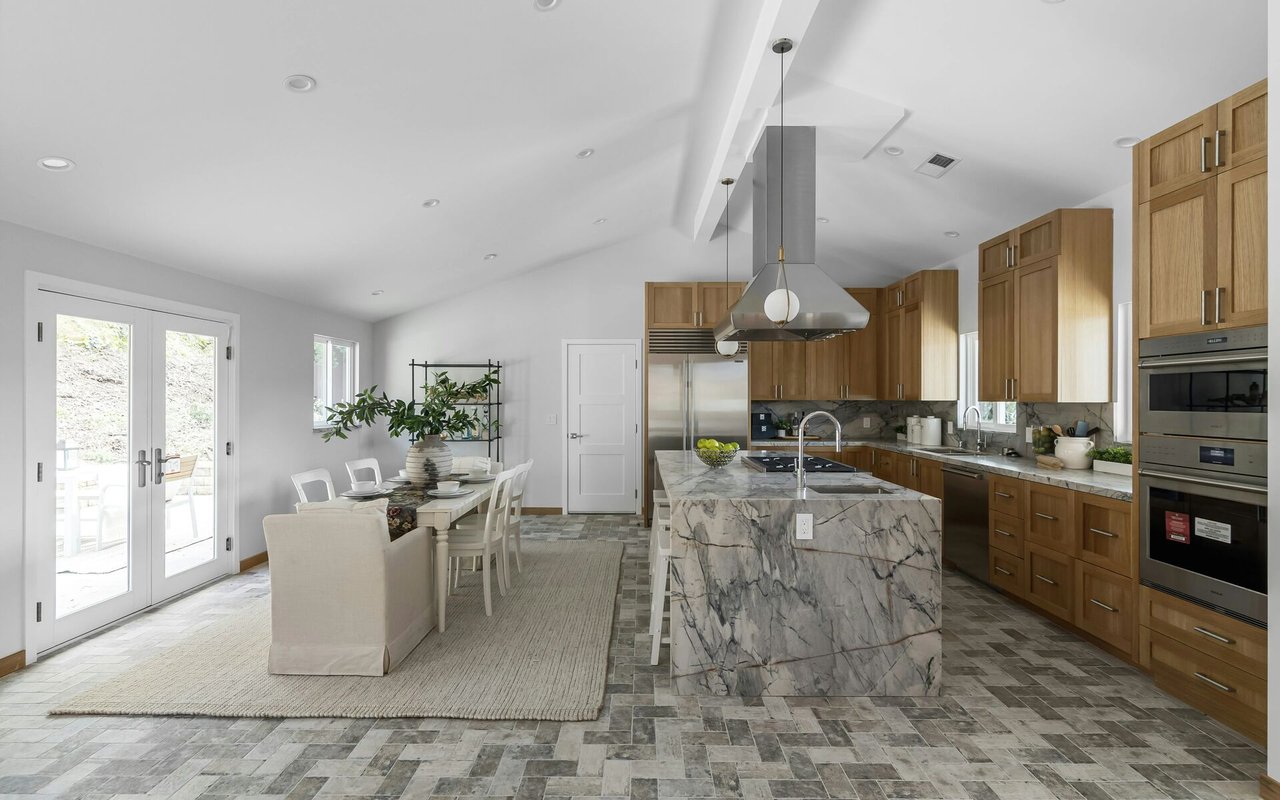
Owning a home comes with year-round responsibilities, but you don’t have to dread these tasks.
At The Gallmann Group, you’ll receive knowledgeable guidance, personalized service and a proactive approach backed by over 100 years of combined Cleveland-area experience. Our local expertise, proactive marketing and attention to detail help make every transaction smooth and well supported. Above all, we value the relationships we build and the trust our clients place in us.